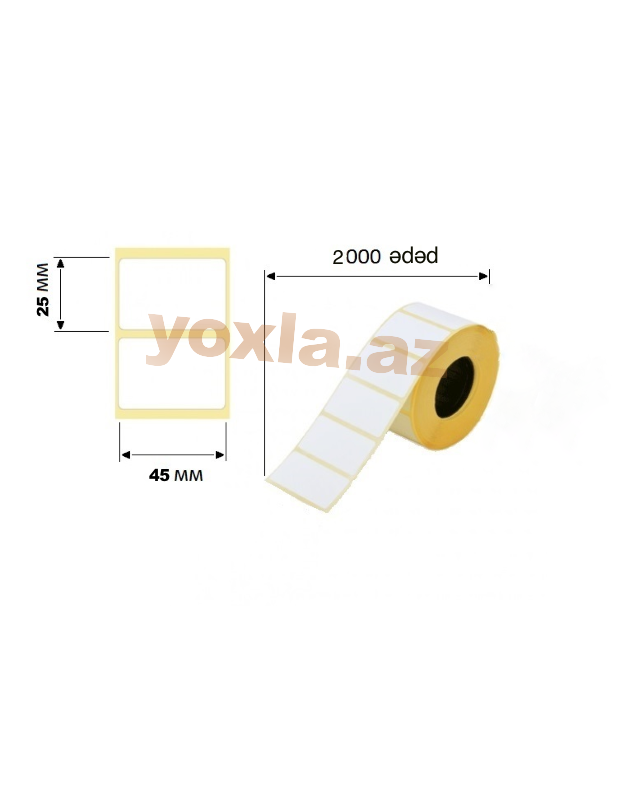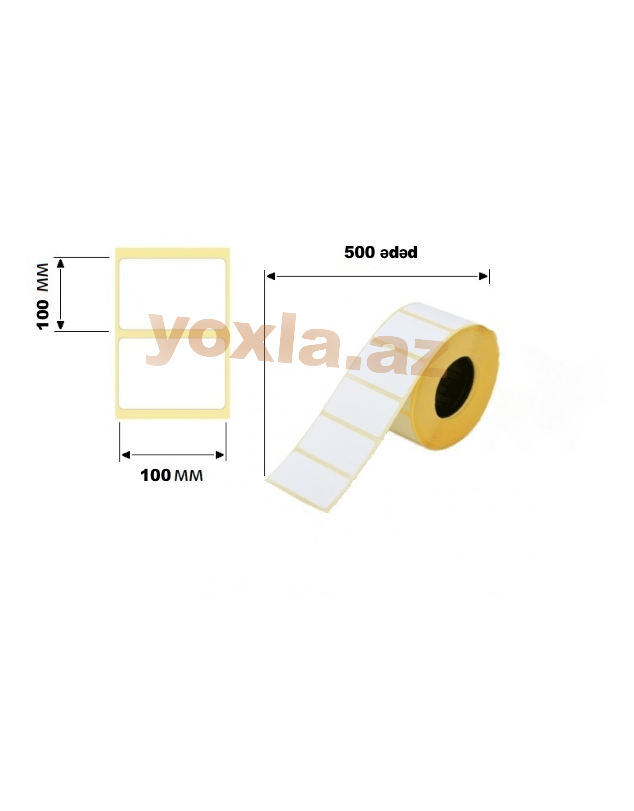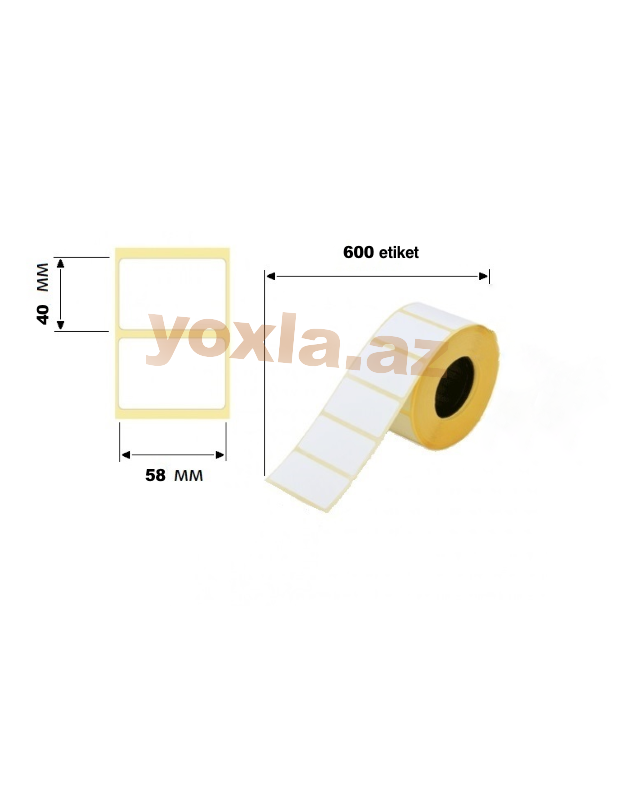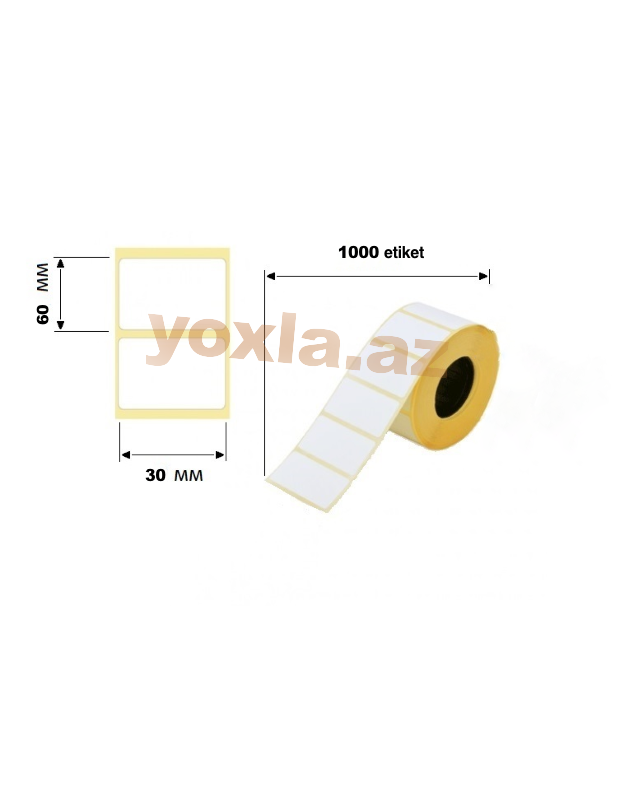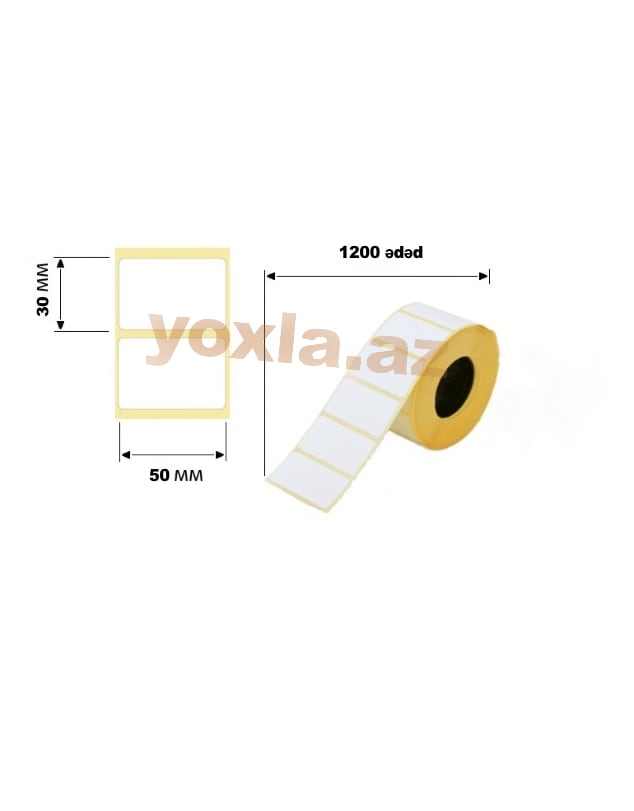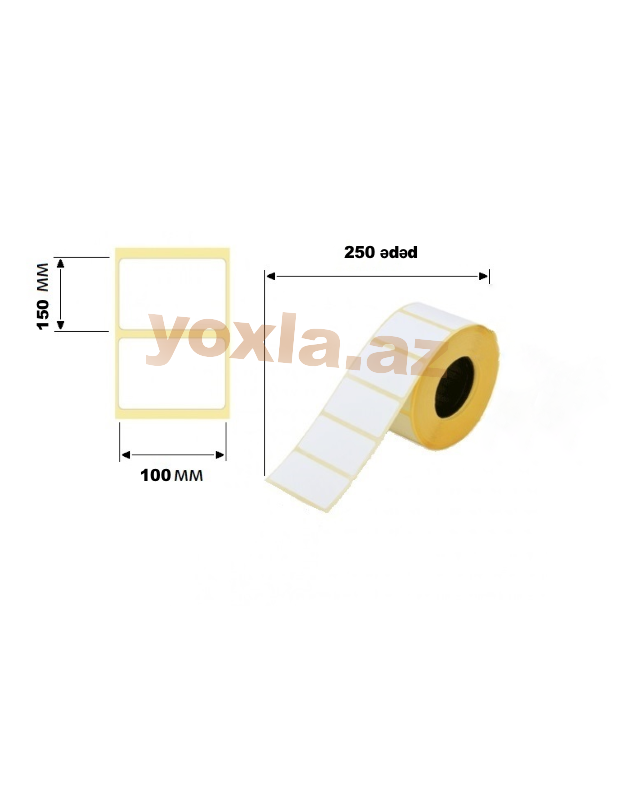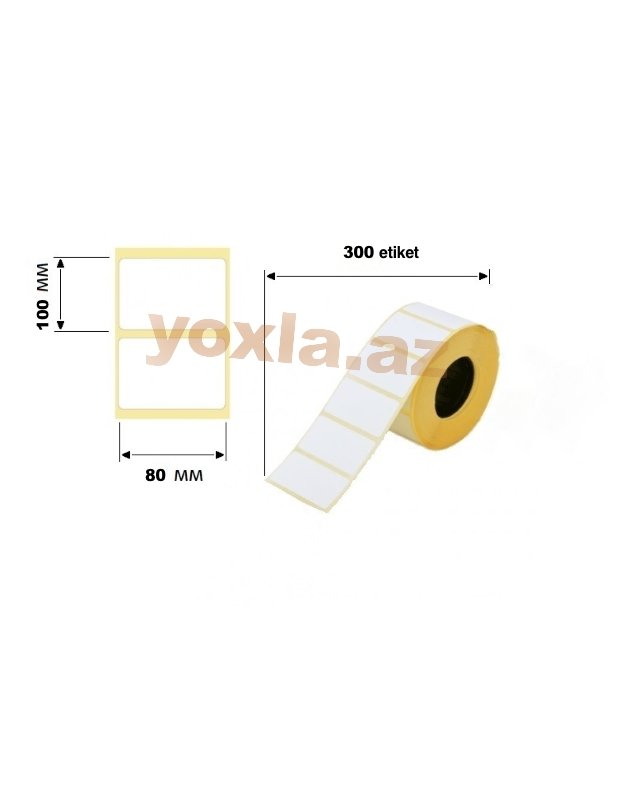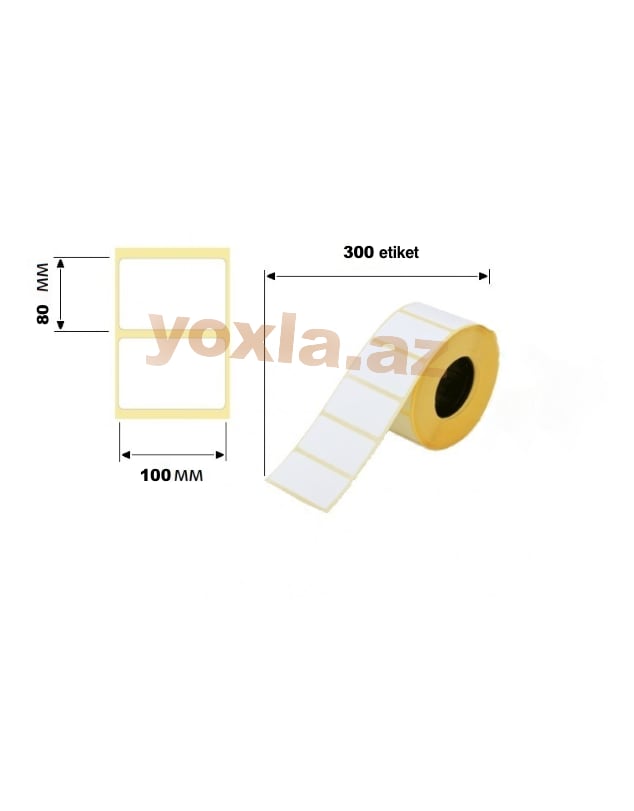





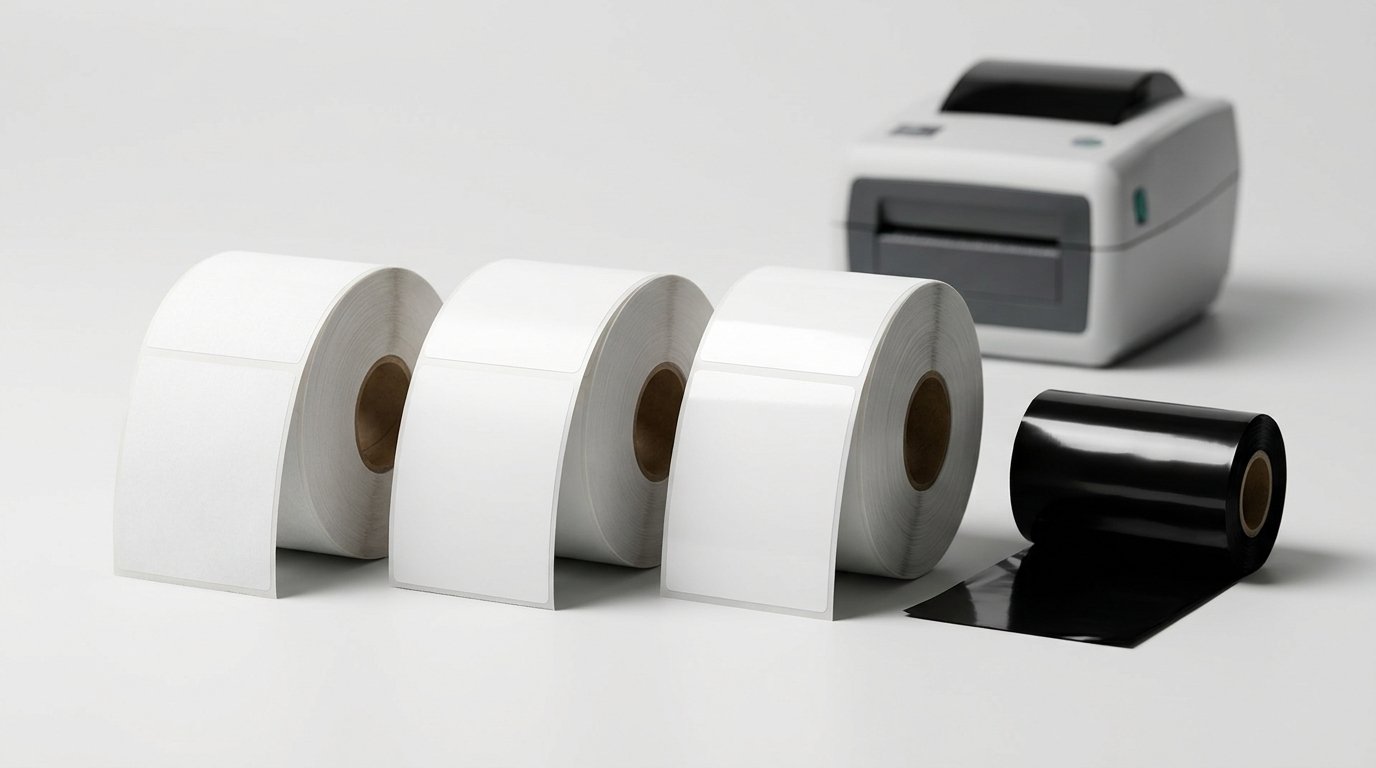
In modern retail, warehousing, e-commerce, and logistics, adhesive barcode labels play a vital role in tracking inventory and speeding up operations. Choosing the right label material ensures your barcodes remain crisp and scannable throughout storage and shipping.
Label Materials (By Printing Method)
Depending on the printing technology, barcode labels are categorized into two main groups: Direct Thermal (ribbonless) and Thermal Transfer (requires ribbon).
| Material Type | Printing Method | Durability & Features | Best Applications |
|---|---|---|---|
| Direct Thermal Eco | Direct Thermal (No ribbon needed) | Uncoated paper surface. Sensitive to heat, sunlight, moisture, and friction. Short lifespan (1–6 months). | Supermarkets, weigh scales, courier & fast shipping labels. |
| Direct Thermal Top | Direct Thermal (No ribbon needed) | Features a protective top coating against moisture, oil, and low temperatures. | Cold storage, frozen foods, humid warehouse environments. |
| Coated Paper (Semi-Gloss) | Thermal Transfer (Requires ribbon) | Smooth semi-gloss paper. Resistant to fading and smudging; lasts 1–3 years indoors. | Retail apparel, long-term warehouse inventory, carton logistics. |
| Synthetic / Plastic (PP, PET) | Thermal Transfer (Resin ribbon) | Tear-proof, waterproof, and resistant to chemicals, oil, and extreme temperatures. | Electronics, automotive parts, cosmetics, outdoor equipment. |
Summary: Choose Direct Thermal labels for short-term applications like shipping and fresh food, while Coated (Semi-Gloss) or Synthetic (PP) labels are best for long-term durability.